The Indian subcontinent has always been blessed with a plethora of spices. The Ottoman capture of Constantinople and fall of the Byzantine empire led to the advent of the the so called Age of Discovery as the Portugese and various “East India trading companies” sought to bypass their tariff implemented on goods shipped through the Middle East and North Africa.
These very first multinational corporations were so successful that spices became ubiquitous in Europe and eventually lost the prestige of being a foreign luxury for the elite. That change ended up altering the emphasis of certain flavors in European cuisine, with a preference away from using many spices:
Back in the Middle Ages, spices were really expensive, which meant that only the upper class could afford them. But things started to change as Europeans began colonizing parts of India and the Americas.
“Spices begin to pour into Europe,” explains Krishnendu Ray, an associate professor of food studies at New York University. “What used to be expensive and exclusive became common.”
Serving richly spiced stews was no longer a status symbol for Europe’s wealthiest families — even the middle classes could afford to spice up their grub. “So the elite recoiled from the increasing popularity of spices,” Ray says. “They moved on to an aesthetic theory of taste. Rather than infusing food with spice, they said things should taste like themselves. Meat should taste like meat, and anything you add only serves to intensify the existing flavors.”
“In Europe, meat was considered the manliest, strongest component of a meal,” Laudan notes, and chefs wanted it to shine. So they began cooking meat in meat-based gravies, to intensify its flavor.
What’s in-between the lines here is that the newer elite food aesthetic takes substantially more labor, skill, energy, and time. This effectively gate-keeps “simple” food from most people. It’s not until well after the industrial revolution where we see these kinds of meals become more affordable for people.
So they began cooking meat in meat-based gravies, to intensify its flavor.
This is a great example of what I’m talking about. Anyone can roast a cut over a fire or just toss raw meat into a stewpot. But a rack of lamb with a rich demi-glace? From scratch, in an 18th century kitchen? And that’s not the only course? Yeah, strap in, because that meal just became an all-day job if you don’t have any help.
Trevor Noah does a hilarious bit about MLK Jr. and his friends going to a white diner after ending segregation which ends with them questioning their choices after tasting the (relatively bland) chicken 😂.


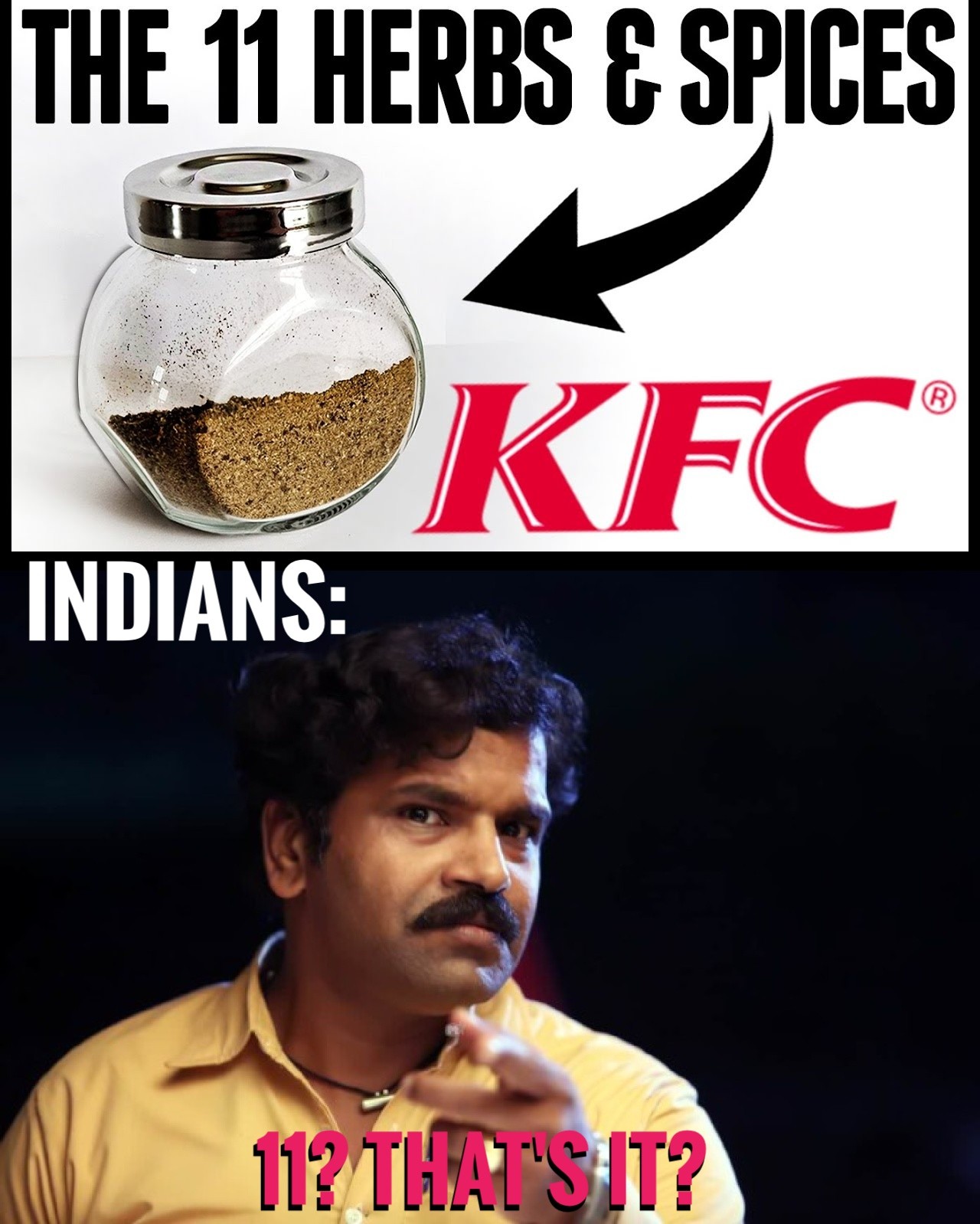
The Indian subcontinent has always been blessed with a plethora of spices. The Ottoman capture of Constantinople and fall of the Byzantine empire led to the advent of the the so called Age of Discovery as the Portugese and various “East India trading companies” sought to bypass their tariff implemented on goods shipped through the Middle East and North Africa.
These very first multinational corporations were so successful that spices became ubiquitous in Europe and eventually lost the prestige of being a foreign luxury for the elite. That change ended up altering the emphasis of certain flavors in European cuisine, with a preference away from using many spices:
https://www.npr.org/sections/thesalt/2015/03/26/394339284/how-snobbery-helped-take-the-spice-out-of-european-cooking
What’s in-between the lines here is that the newer elite food aesthetic takes substantially more labor, skill, energy, and time. This effectively gate-keeps “simple” food from most people. It’s not until well after the industrial revolution where we see these kinds of meals become more affordable for people.
This is a great example of what I’m talking about. Anyone can roast a cut over a fire or just toss raw meat into a stewpot. But a rack of lamb with a rich demi-glace? From scratch, in an 18th century kitchen? And that’s not the only course? Yeah, strap in, because that meal just became an all-day job if you don’t have any help.
Damn, I kinda want to invade and colonise India now, repress freedom movements and cause famines 🤔
In order to enjoy my chicken, a noble cause
Trevor Noah does a hilarious bit about MLK Jr. and his friends going to a white diner after ending segregation which ends with them questioning their choices after tasting the (relatively bland) chicken 😂.
deleted by creator